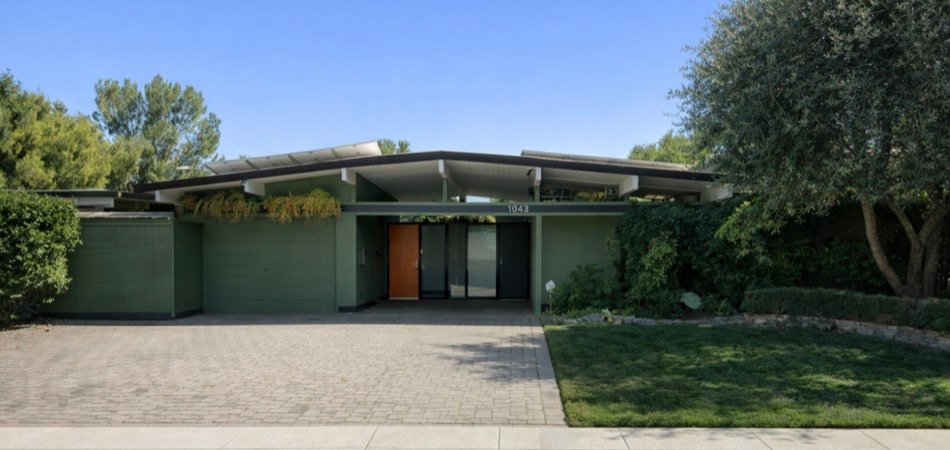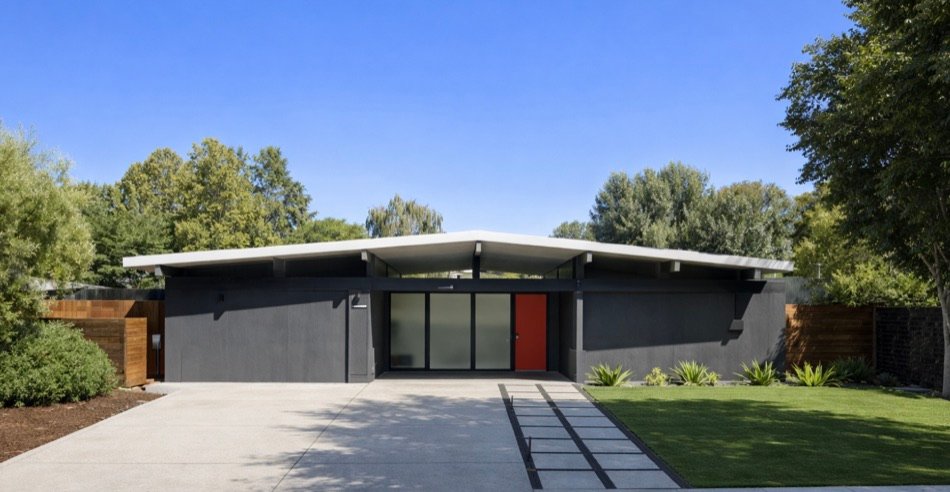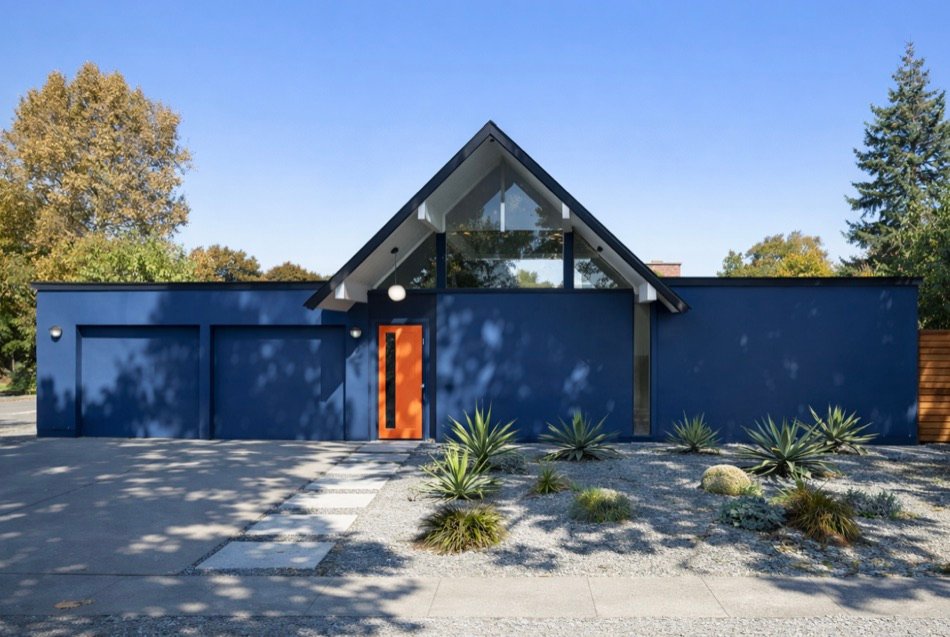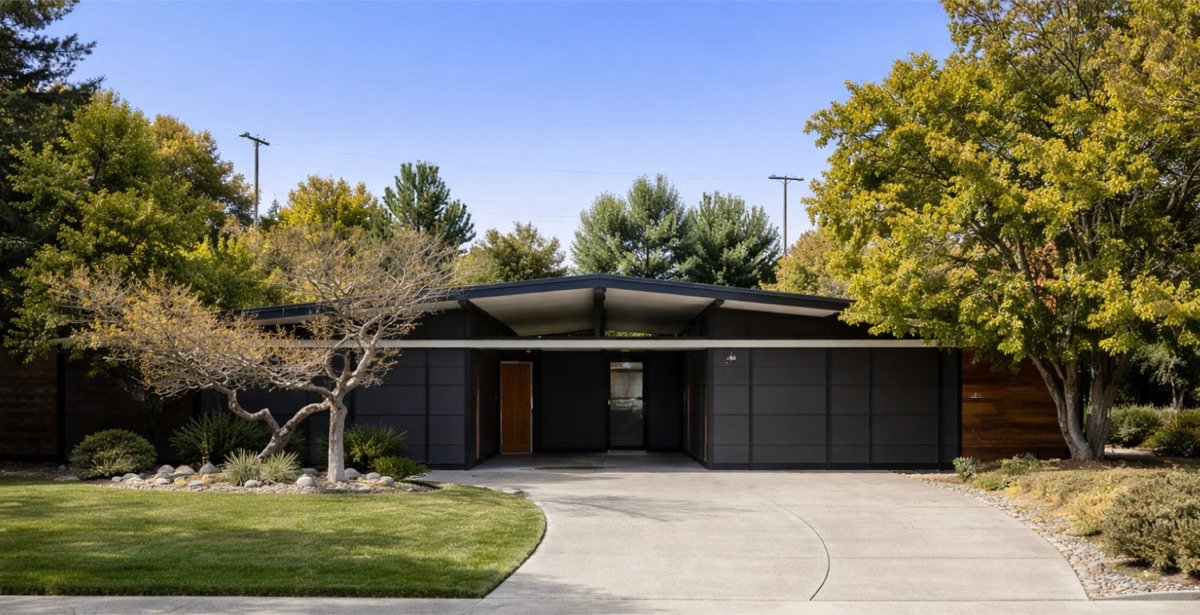
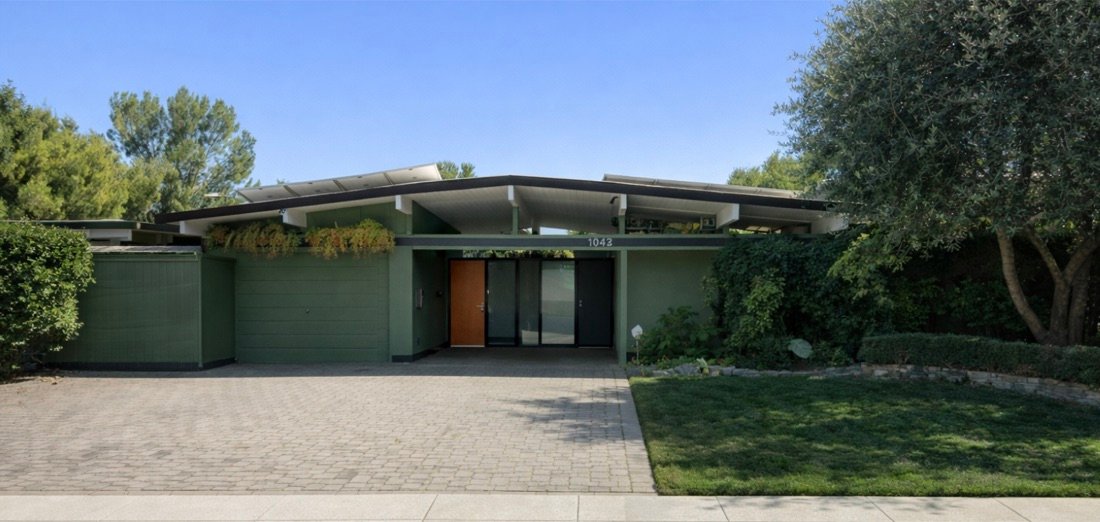
Fairglen Additions
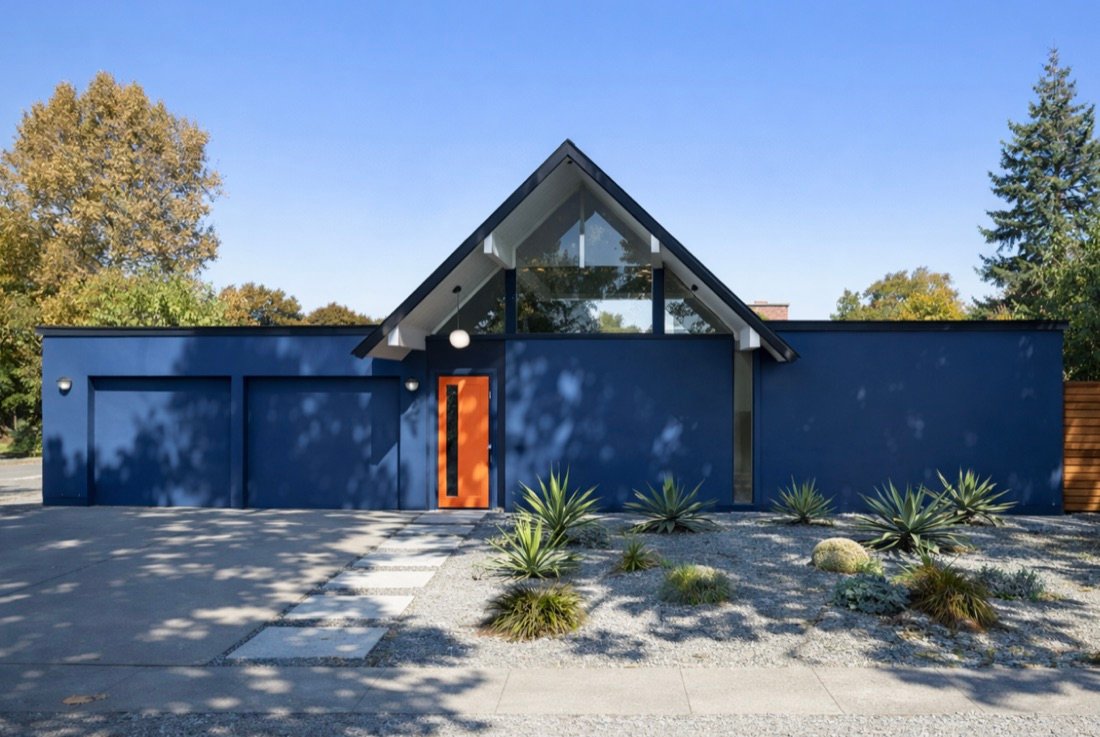
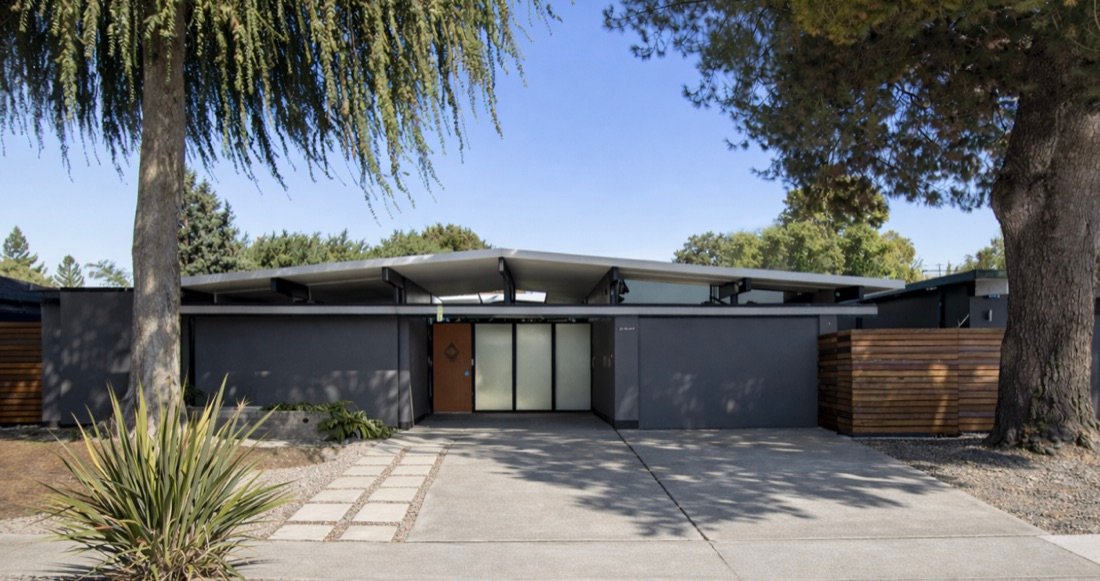
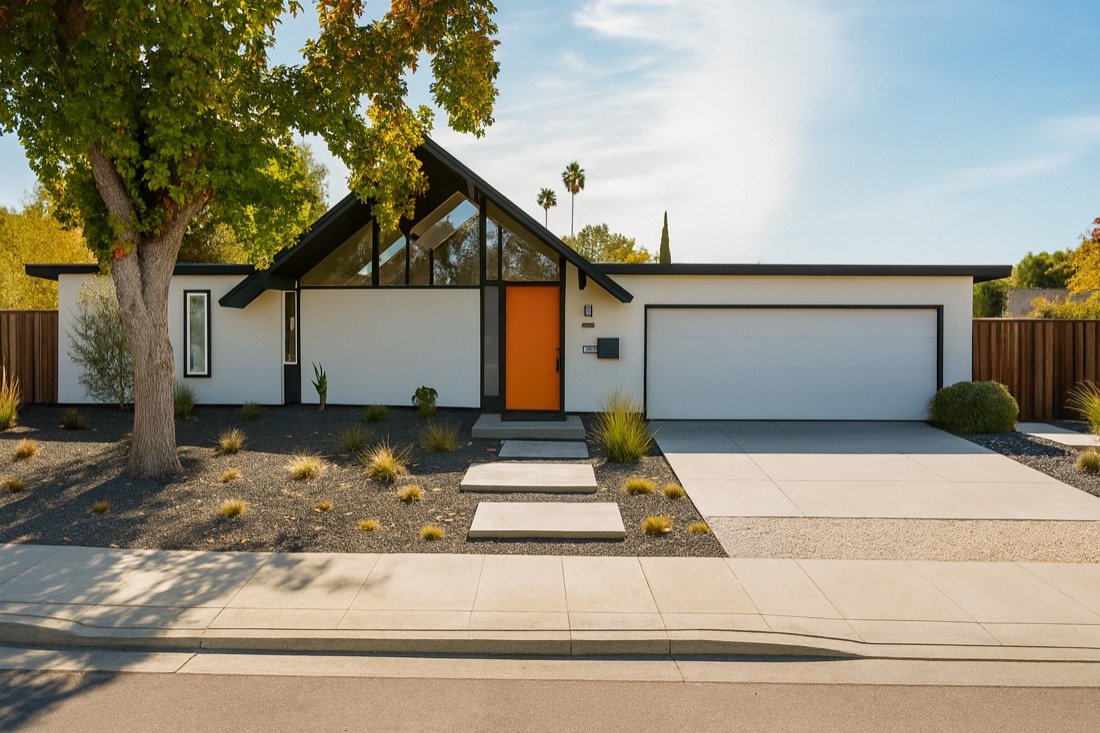
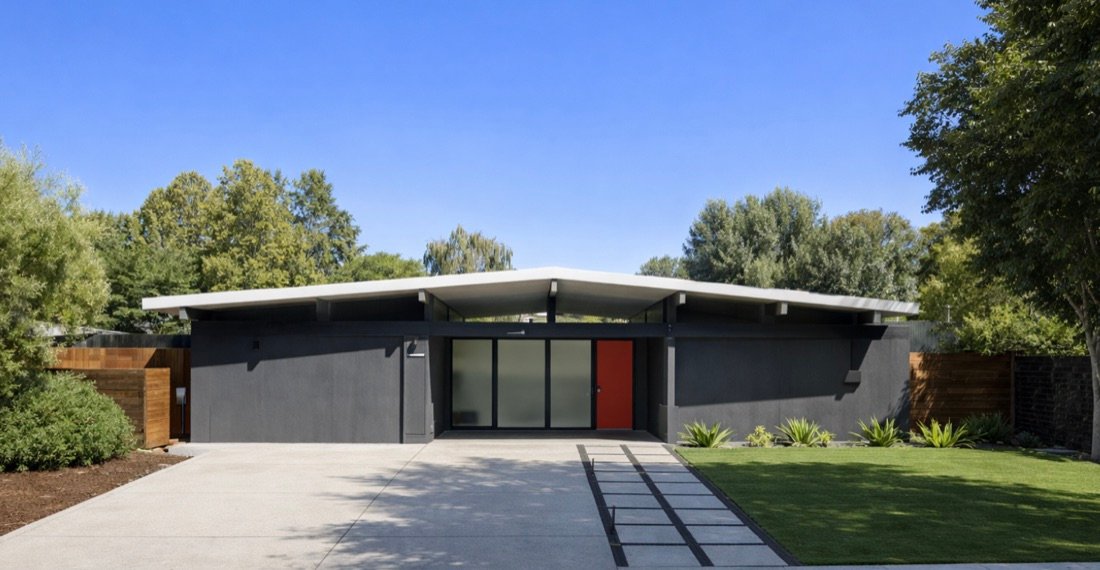
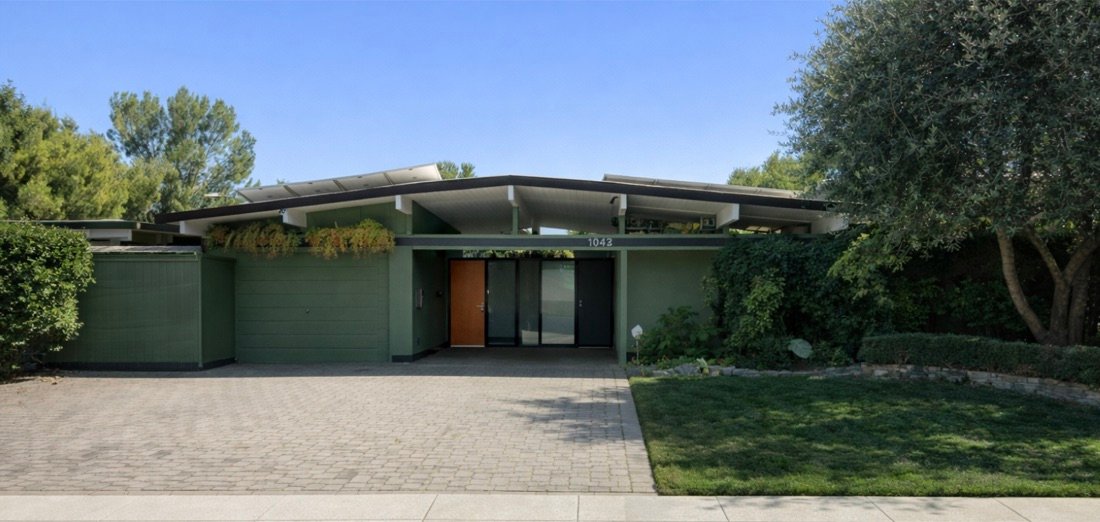
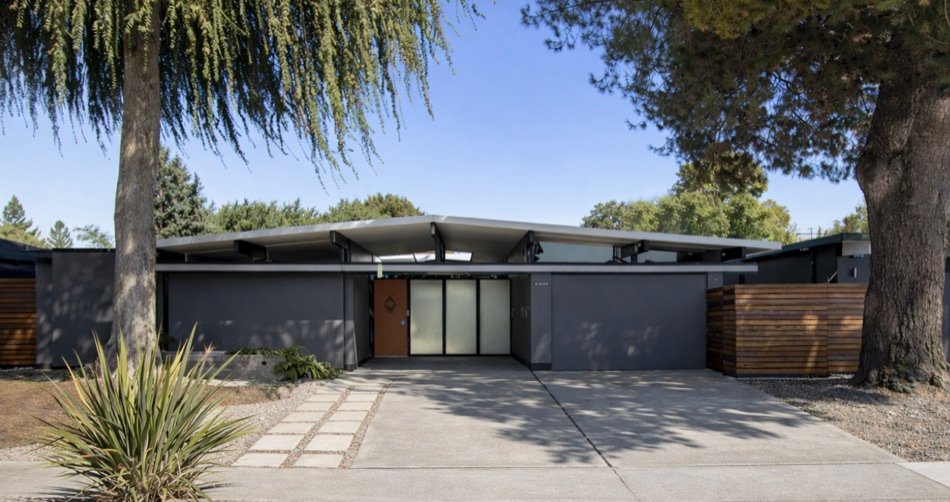
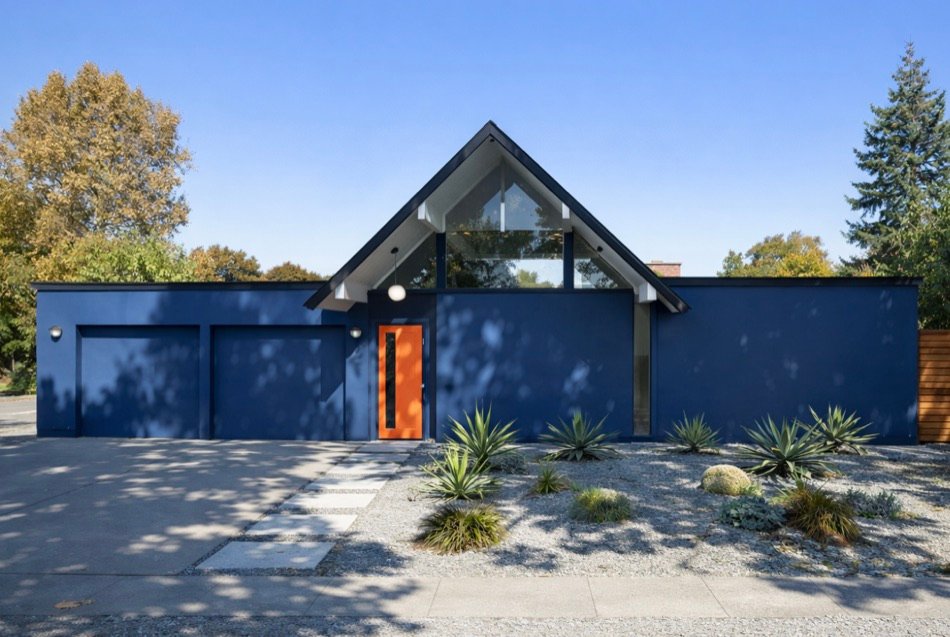
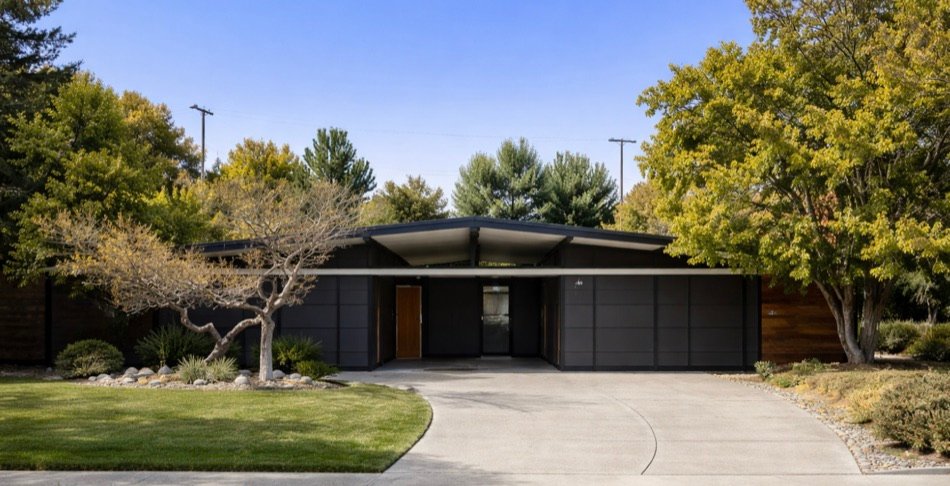
The core San Jose Eichler community and the one on the National Register of Historic Places. Thirteen plans, several with atriums, a rare double A-frame model, and a neighborhood that runs its own art festival.
Joseph Eichler built roughly 11,000 homes in California between 1949 and 1966. A few hundred of them are in San Jose — almost all on the west side, near Willow Glen. Here's how the neighborhoods differ, what they cost, and what you can and can't change.
San Jose's first Eichlers went up around 1953 in Rose Glen, near San Jose City College — a small tract originally marketed as "Morepark," with site planning that unusually involved both Jones & Emmons and Anshen & Allen.
The main event came at the end of the decade. Between 1959 and 1961, Eichler built the Fairglen Additions in Willow Glen — 218 homes, thirteen floor plans, roughly 6,000-square-foot lots, designed by Anshen & Allen, Jones & Emmons and Claude Oakland. A few years later, Fairhaven added 57 of the last Eichlers built in the city.
Everything else you'll hear called an "Eichler neighborhood" nearby — Fairmede in Santa Clara, for one — is mid-century by a different builder. Good houses; not Eichlers.

The core San Jose Eichler community and the one on the National Register of Historic Places. Thirteen plans, several with atriums, a rare double A-frame model, and a neighborhood that runs its own art festival.

A compact enclave of some of the last Eichlers built in San Jose. Larger floor plans, averaging around 1,700 square feet, many with atriums, near the Campbell border and Highway 17.

San Jose's first Eichlers, once marketed as "Morepark," on streets like Menker and Richmond near San Jose City College. Modest early plans — post-and-beam, glass walls, mahogany — and a devoted following.

A Mackay Homes tract designed by Anshen + Allen — California courtyard plans and walls of glass, without true atriums. Frequently cross-shopped with Eichlers; different districts (Santa Clara Unified, Fremont Union).
West of downtown San Jose near Curtner Avenue, Fairglen is dense with intact Eichler architecture — enough that the neighborhood was listed on the National Register of Historic Places in 2019. It has a real community life: a long-running art festival, "Joey Awards" for the best remodels, and residents working with the city on objective design standards to protect Eichler character.
Just west of Fairglen along Stevens Creek, Fairhaven is a tight group of 57 homes built in 1962–63 — among the last Eichlers in San Jose. The plans are larger and more mature, averaging around 1,700 square feet, with generous courtyards and broad glass walls. Buyers prize it for its consistency: nearly every house shares the same late-Eichler styling, and the pocket feels secluded.
Near San Jose City College in the Cambrian area (ZIP 95118), Rose Glen was San Jose's first Eichler tract, built around 1953 and originally called "Morepark." The homes are modest early Eichlers — low gables on streets like Menker and Richmond — but they carry the full vocabulary: post-and-beam framing, glass walls, Philippine mahogany interiors. The mid-century influence is strong enough that even non-Eichler ranches nearby borrow the look.
Same tract, same lot size, same year — and a wide gap at close. It comes down to a short list of things an automated estimate can't read.
Rough context: San Jose Eichlers have recently averaged near $2.05M — about a 10–20% discount to Cupertino's Fairgrove, mostly a school-district trade-off. Well-preserved originals, especially atrium models, still draw multiple offers and can clear well over asking; deferred-maintenance houses sit longer and sell for less. Get a hand-priced range for your address →
Modernizing an Eichler is a balance between comfort and character. Kitchens, baths, insulation, HVAC and glazing are all fair game and commonly updated. The constraints are mostly on the outside.
In Fairglen, residents are working with the city on enforceable design standards: expect limits on street-facing second-story additions, an emphasis on original material palettes — vertical wood siding, brick — and clear discouragement of enclosing the glass atrium. Fairhaven's historic integrity is strong for its size, so sympathetic work is the norm there too.
Our advice before you buy or list: know which plan you have, what the roof and slab need, and what the neighborhood guidance says about the change you're picturing. We'll walk it with you.
The Willow Glen tracts trade a few school points for location, lot size and quiet — and the commute math is better than people expect.
Drop your listing and neighborhood photography in here — each frame is captioned with the shot it's waiting for.


Send us the address. We'll tell you the plan, the likely condition issues, the comps, and what it's worth — by hand.